

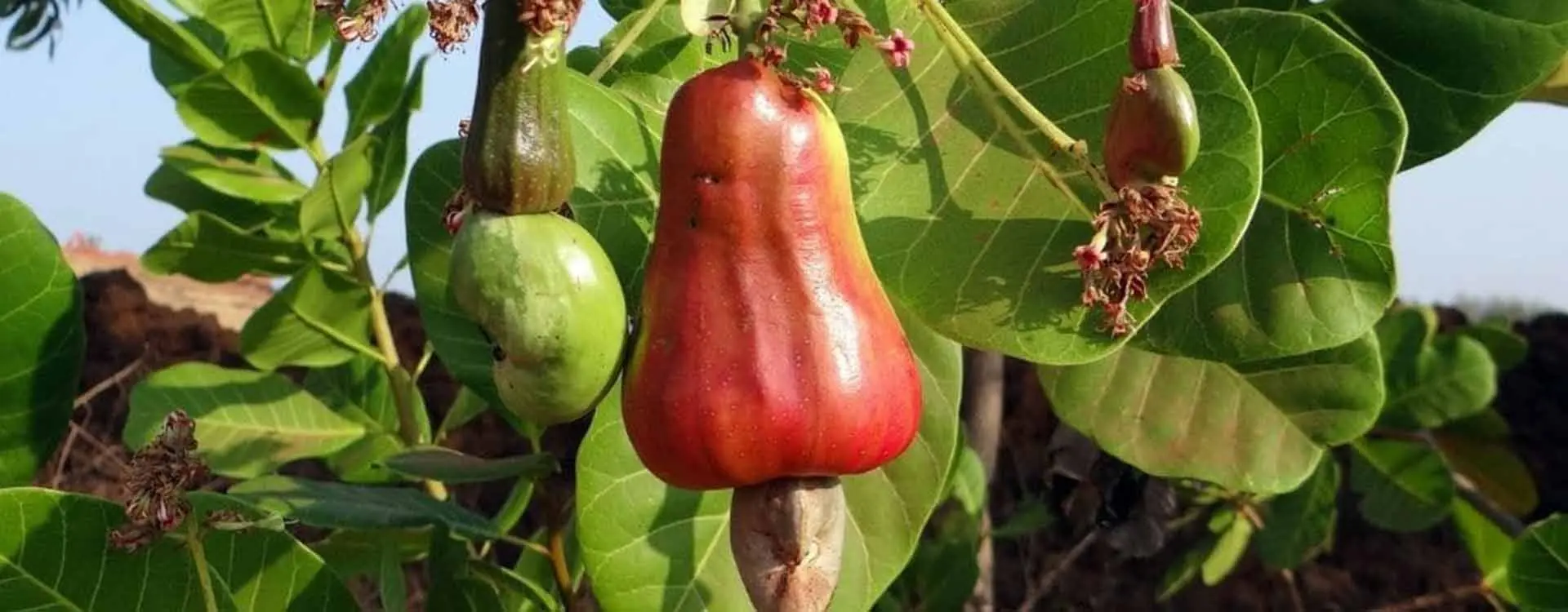
Fair Trade Cashews: Our Ethical Choice
All about cashews...
At Veggie Karma, we only use ethically-sourced cashews to create our vegan cheese substitutes. If you want to know more, read on and we’ll show you why that’s so important to us, and we’ll expose the dark side of the cashew industry.
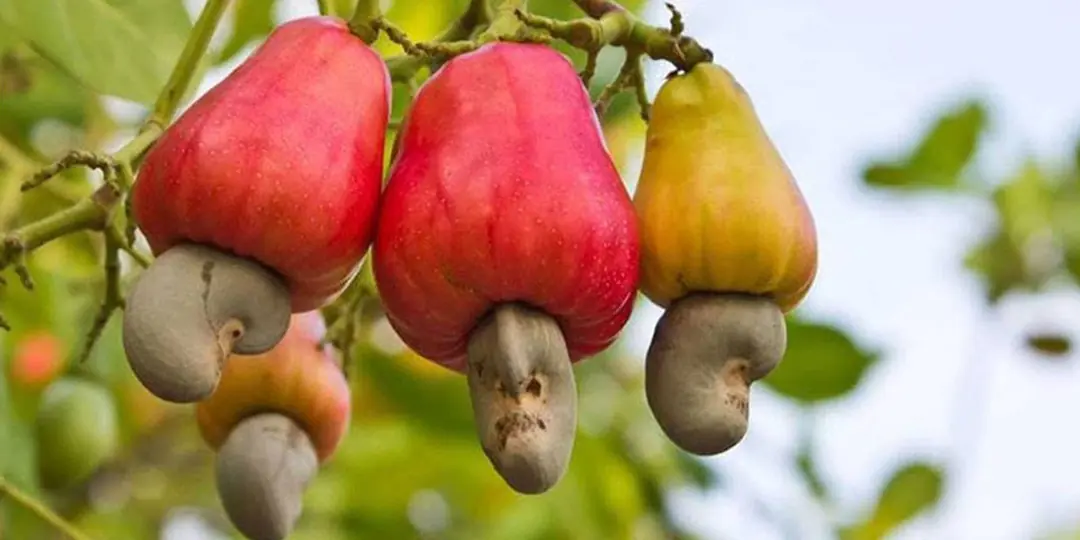
Why you should only consume fair trade cashews
Asha is a 27-year-old Indian woman who has been working in the cashew industry since her early 20s. Most days, her hands come into direct contact with urushiol oil, which causes rashes, blisters, and burns (https://en.wikipedia.org/wiki/Urushiol-induced_contact_dermatitis)
This oily resin present in the shell of raw cashews damages the skin of those who, like Asha, dare to farm these sought-after little treasures. In fact, it’s the same as the active allergen contained in poison ivy, a plant feared even by green-fingered gardeners and lovers of nature.
Asha is exposed to this daily, knowing that it’ll cause her more pain and that her hands that may never fully heal. She does all this in exchange for a meagre salary. But with three children and a husband who works in a risky industry, there’s no other way out for her. And the €2-3 she earns on an average day far from covers the most basic needs of her family.
Women like Asha can’t afford to pay for gloves to protect their hands. And if they could, they probably wouldn't either, since their pay depends on how quickly they’re able to peel the cashews. Gloves would only slow down their work.
“This oily resin present in the shell of raw cashews damages the skin.”
‘Cashews: the shocking truth about working conditions.’ Report by the television network France24.
The resin contained in this nut doesn't just damage your hands. When burned, it gives off a toxic fume that causes stinging in the eyes, coughing, and respiratory problems. It’s a serious but severely underreported problem, since most who harvest these nuts lack the wherewithal to access medical care.
The exploitation of labour by the cashew industry isn’t a new issue. In the last decade, some NGOs in collaboration with different media outlets have condemned the conditions of those in countries such as India and Vietnam. But despite this, it remains a rather unknown problem among consumers.
In this article from the Daily Mail, you’ll see a graphic report on the harsh conditions suffered by some 500,000 Indian women who, like Asha, harvest the cashew. They have no contracts, no guarantees of collection, poor salaries, and put their health on the line while doing so.
How they’re processed
Processing raw cashews from an inedible fruit into a delicious snack is a difficult and dangerous process. The first step is to roast the raw cashews to facilitate their extraction from the shell. The fruit is then removed from the shell and roasted again to remove the skin, also known as testa. Finally, it goes through a classification process, during which the peeled cashews are graded according to their size and quality. Then they’re packaged and transported to distribution sites across the world, to various wholesalers and retailers.
“conditions suffered by some 500,000 Indian women”
The demand for cashews is still rising
In recent years, the demand for cashews hasn’t slowed and the trend continues to rise. According to the sector's forecasts, in the coming years, its consumption in Europe will increase at a rate of 3-5% per year.
The raw or roasted cashew, as an ingredient in products such as energy bars, sauces, or vegan cheeses, has earned its place in European and North American cuisine. Its nutritional properties, its taste, and its popularity on social networks have made it the trendy nut in first world countries that, for the most part, are oblivious to the dark underbelly of the industry.
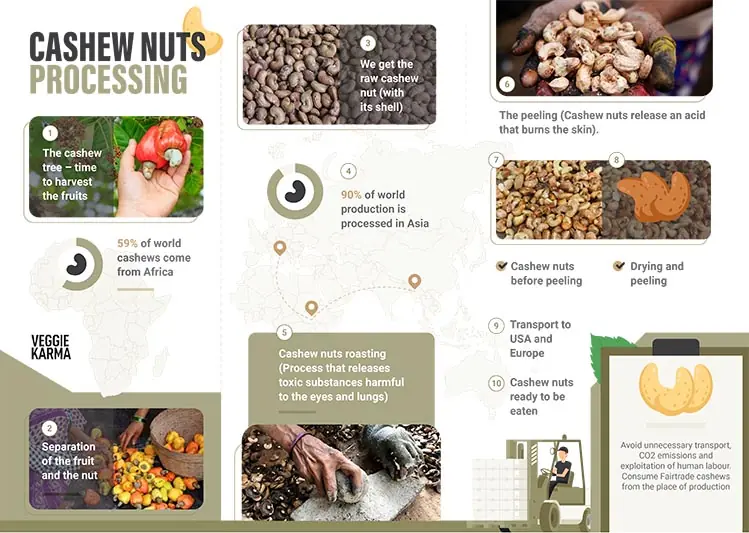
Cashew nuts processing infography © Veggie Karma.
However, the increase in demand, far from implying an improvement in the living conditions of those who work in cashew processing, has only engendered more competition and therefore puts pressure on price and operating costs, which in turn harms the most vulnerable workers and contributes to depressed wages.
Ranjit, a cashew producer from India, explains: “Twenty years ago, Europe was a booming market, in which quality was the main concern. Today, only price matters. No one appreciates the value of work anymore." Fortunately, there is another side of the coin.
Fair trade cashews, a sustainable and ethical alternative
About 10,000 km from India, in the region of Ziguinchor (Senegal), UAB Casamance is determined to show how things can be done differently, guaranteeing the safety of the small producers who make up their cooperative. Its collaboration with the French company Ethik Essence, through which it markets its fair trade cashews to Europe, has brought changes that a few years ago were unimaginable.
In this association, cashews are processed in the country where they grows, drastically reducing the environmental impact of transport; something that, although it seems logical, is not commonplace. Despite the fact that much of the world's cashew crop is found in Africa (59%), the transformation of cashews into a ready-to-eat nut is mainly carried out in India and Vietnam.
In fact, according to a study conducted by the NGO Nitidæ, of the 3,512,750 tons of cashews that were produced in 2018 worldwide, 3,175,000 tons were processed in the aforementioned Asian countries, that is, more than 90%.
Almost 1,900,000 tonnes of cashews travelled around 10,000 km between Africa and Asia to be processed, then distributed to Europe and the United States.
“de las 3.512.750 toneladas de anacardos que se produjeron en 2018 en todo el mundo, 3.175.000 toneladas se procesaron en los citados países asiáticos”
Such a long distance has a drastic impact on environmental pollution and adds intermediaries into the supply chain that inflates the final price of the product.
In order to prevent fluctuations and market volatility from affecting small local producers, Ethik Essence has set a minimum price for the purchase of raw cashews. In this way, they guarantee a salary that allows their employees to live in a dignified way and promote the development of local economies.
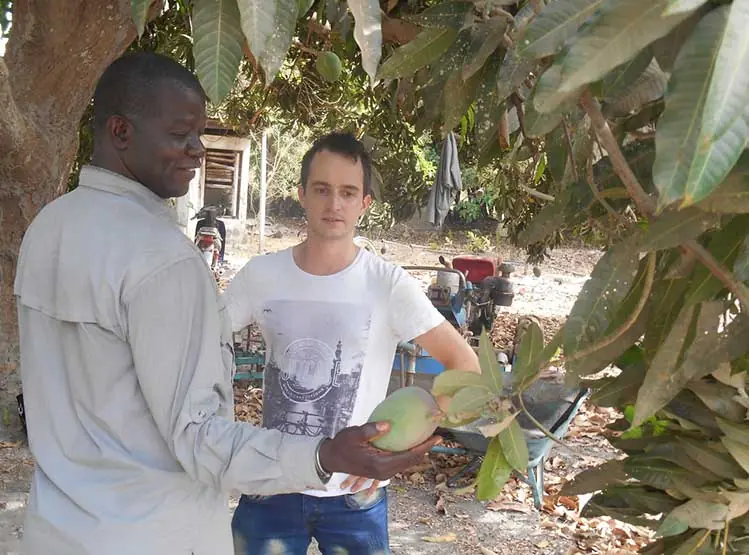
Nicolas en la cooperativa UAB en Senegal. Se producen anacardos y mangos secos.
As well as this, the cooperative has incorporated machines to help process cashew nuts, which has improved the working conditions for many people. The industrialization of the process has increased production and protects the hands of the workers from the burns of the dreaded anacardic acid.
The UAB Casamance cooperative has worked hard to ensure that its nuts are recognized in France with the AB (Agriculture Biologique) certification, whose equivalent at EU level is the European Ecolabel: a seal that guarantees the non-use of transgenic/GMO (genetically modified organisms), a limitation in the use of synthetic chemicals, and a commitment to the protection of the environment and biodiversity.
The cashews grown and processed by this small cooperative are organic and fair trade. The evidence shows that having the will can change things for the better.
Unlike Ranjit's pessimistic opinion, Nicolas, the manager of Ethik Essence brings a glimmer of hope. The Frenchman, a graduate in political science and specialist in international development, is convinced that there is room in the market for a “genuine, organic fair trade product”. Its strategy to achieve this is through the transformation of the raw material production process, with the aim of maximising value in the region they’re grown, as well as strengthening local employment prospects.
Veggie Karma and fair trade organic cashews
Vegan cheese is an increasingly demanded alternative, and cashews are one of the most commonly used nuts in its preparation. They provide a sweet touch and a creamy texture that is very difficult to replicate using other ingredients.
In fact, the second ingredient we use most in Veggie Karma to create our vegan alternatives to cheese (after our beloved lupins) is cashews. This combination gives our vegetable cheeses a range of healthy fats, amino acids, vitamins, and micronutrients that make it a nutritionally balanced option. (If you want to know more about its properties and nutritional benefits, take a look at our nutrition section).
All the imported ingredients we use in Veggie Karma are fair trade. As Julien Malmont (one of the two visionaries who run our family business) says: “I can't imagine going so deep into every detail of our project to end up buying imported products at half the price they are really worth. It would be hypocritical and would go against our values and principles.”
However, due to the limited information available and the complexity of this sector, finding Nicolas and Ethik Essence's organic cashews has been a process that has taken more than a year. But we now have distribution warehouses that are just 250km away from our workshop, something that helps us to reduce our environmental impact in transport.
‘“The price difference between conventional (non-organic) cashews and fair trade organic cashews is almost double,” explains Julien. “But apart from better quality and taste, what is priceless is the conviction to not contribute to the labour exploitation of any human being.” ’.
With our collaboration (and yours), we help women and men who work in the cashew industry earn a fair salary and participate in a sustainable project for the planet.
In buying our delicious delicacies, you will not only delight your palate, but you’ll help us to help others. Together we can change the world.
If you want to try our Karmesano or our Sant Andreu semi-cured with vegetable chorizo (both made with fair trade cashews), visit one of our partners or take a look at the Veggie Karma store. .
We make vegan, organic, and ethical cheeses which are healthy and delicious. Don't just take our word for it. Try them and tell us. We’d love to hear from you.
Posted in:
News
Related posts
-
 What is tofu and what are its secrets?
Goal: to find out all about tofu; its nutritional value, origin, varieties, and why tofu isn’t always necessarily...Read more
What is tofu and what are its secrets?
Goal: to find out all about tofu; its nutritional value, origin, varieties, and why tofu isn’t always necessarily...Read more -
Lactose-free cheese and other cheeses that intolerants can enjoy
Have you ever suffered from gas, stomach cramps, nausea, abdominal pain, or diarrhea after consuming dairy...Read more
-
5 vegan appetizers for christmas
Do you want to eat your VK cheese in a different way? Here are some simple, quick and delicious recipes.Read more
-
Lupins: Properties, benefits and inconvenients
Did you know that lupines contain more protein than soya? Or that they help to reduce blood sugar levels? Read on,...Read more
-
Vegan cheese alternatives and sustainable packaging
Without plastic, recyclable, biodegradable... Discover what types of ecological packaging exist and what are the ones...Read more
Leave a comment
Login to post comments