

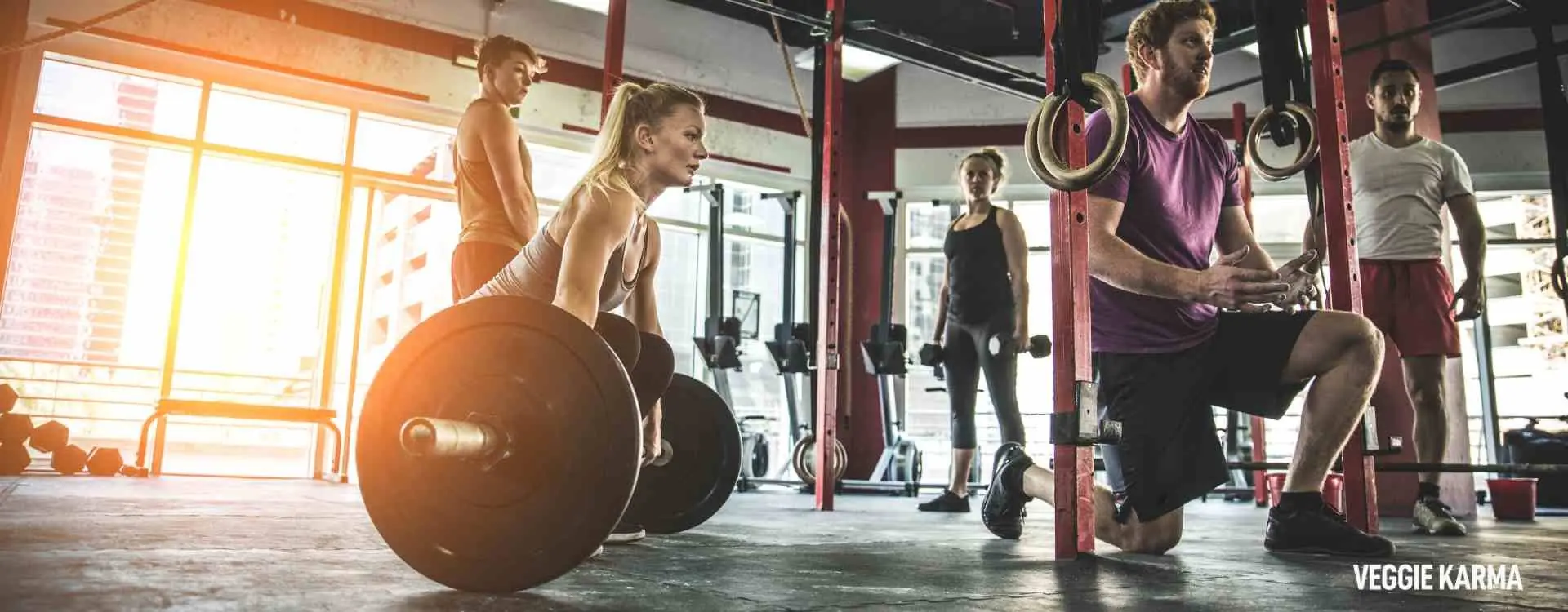
Veganism and Sports: A Compatible Duo?
Veganismo y deporte: ¿Un binomio compatible?
We've interviewed a vegan athlete and an omnivorous one to explore two different perspectives on a plant-based diet. Chus de la Torre vs Robert Gannon.
Can a vegan lifestyle be compatible with professional sports? If so, What does it take to achieve this? Is it necessary to opt for dietary supplements to compensate for potential nutritional deficiencies? What are the main challenges when initiating a 100% plant-based diet?
Chus De La Torre (ESP) and Robert Gannon (USA) have answered these questions and clarified our doubts about veganism and sports. If you're considering a dietary change, this interview is for you. Keep reading!
Vegan Athlete vs Omnivorous Athlete
Chus de la Torre is a fitness trainer (@chus_delatorre) and has been passionate about sports since childhood. He started competitive football at 7 and entered the fitness world at 18.
As an athlete and a professional coach today, he has always been concerned about nutrition and achieving a healthy diet that allows maximum performance in sports. Chus has been practicing CrossFit for 8 years and has embraced a vegan lifestyle for 5 years now. 'I decided to eliminate animal products from my diet for ethical reasons.'
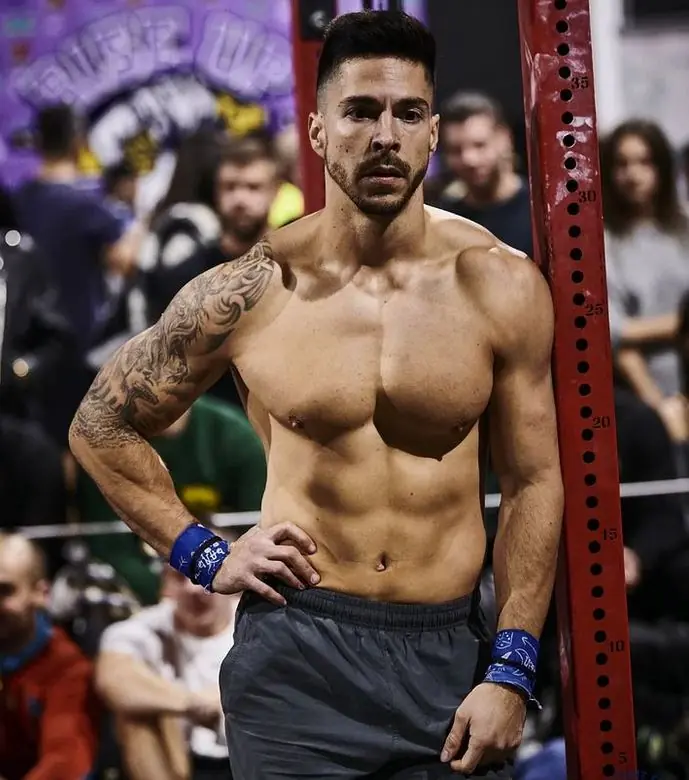
Chus de la Torre
Changes always bring some nervousness, as De la Torre admits: 'I was a bit afraid that I might have some nutrient deficiencies or even a decrease in athletic performance. But that didn't happen. You just need to get informed, be open to change, and leave ignorance aside.'
Robert Gannon (@ssibarcelona) is also a coach and athlete, but follows an omnivorous diet. He admits to never having tried a 100% plant-based diet. 'I've always kept eggs, shellfish, and honey during the brief periods when I tried a plant-based diet.'
His company in Barcelona, Functional Lab (@functional_lab_bcn), advises people looking to improve their physical and mental state. Here, cardio, strength, and mobility go hand in hand with breathing exercises and relaxation to achieve a general sense of well-being.
Additionally, Gannon owns Happy Fat Rings (@happyfatrings), highly valued gym rings in CrossFit training due to their larger grip surface that allows for more comfortable training and greater muscle activation.
Vegan Athlete Diet: Supplements and Advice
Despite their different lifestyles, both sports professionals agree on supplementation as a path to achieve the necessary nutritional balance for a healthy diet in intense sports.
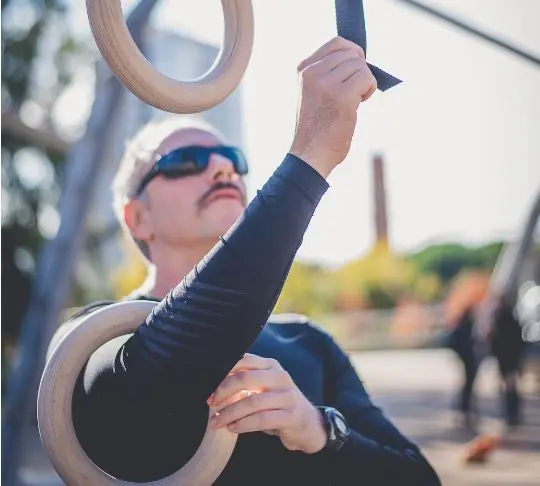
Robert Gannon
For Robert, 'There is no doubt that humans can survive without consuming animal products, at least for a while.'
However, 'to achieve a balanced diet, everyone following a solely plant-based diet should supplement the micronutrients that their diet may not provide or not provide in sufficiently high amounts.' Therefore, the sports expert recommends incorporating supplements such as 'Vitamin K, all B group, D3, Omega 3,' and in many cases, also 'Creatine.'
Despite consuming animal products, he himself takes vitamin supplements such as Vitamin C and D3, as well as Boron, Magnesium, Zinc, Omega 3, Collagen, and Proteins.
'My intake is based on enhancing performance and recovery from the amount of training I do during the week. Would it be possible to ingest everything I need through complete food? Probably, but this way is convenient for me, and I'm not enslaved to my kitchen. But as the name suggests, they are just supplements. The majority of my nutrition is based on food: vegetables, fruits, cereals, meats, and eggs.'
On the other hand, Chus admits to supplementing his diet with Vitamin B-12 'something essential for any vegan and vegetarian diet' and Vitamin D3 'especially during periods with little contact with sunlight. My workplace is an enclosed center, and I spend a large part of the day there.'
He also takes vegan protein powder, as it 'is very convenient after training, is well assimilated, and provides a quick and non-solid intake,' as well as Omega-3 and Creatine Creapure.
He does this because his workouts are very intense at a muscular, joint, and aerobic level. 'I train 5 times a week, and each session lasts about 2 hours.'
One thing Gannon and De La Torre agree on is the importance of a nutrition expert. They both believe that having the assistance of a dietary professional, especially when changing their diet, is essential to avoid nutrient deficiencies.
Plant-Based Proteins
Protein is a vital macronutrient that helps maintain muscle mass and bone function, among many other benefits. It often becomes one of the initial concerns for those starting a plant-based diet.
Generally, for a person with a moderate level of physical activity, 0.8 grams per kilogram of body weight is considered a more than sufficient intake. In the sports world, depending on the goals, between 1 and 2 grams of protein per kilogram of weight is recommended. Therefore, having a dietitian determine what is ideal in each case is the best approach.
To absorb proteins, our body needs to break them down into amino acids. Of these (a total of 20), there are 9 called essential and that we have to obtain through diet because our body cannot produce them.
And here comes the 'problem' The only complete vegetable sources of protein, meaning they contain the 9 essential amino acids, are soy, quinoa, amaranth, hemp seeds, and spirulina.
However, this is an easily solvable issue. 'Pay attention to how you combine foods to ensure you receive a complete intake of branched-chain amino acids' is the advice given by Robert Gannon.
On the other hand, Chus De La Torre claims to have noticed no difference between vegetable and animal protein in the over 5 years he has been a vegan athlete. 'Vegetable protein can provide the same benefits, but you have to know how to combine and balance it correctly. For example, the combination of legumes and cereals provides complete protein intake with all the amino acids.'
As a note, you don't need to consume legumes and cereals in the same meal. You can have whole grains in the morning and legumes at lunchtime, and the result will be the same.
Finally, @chusdelatorre highlights that there is still a lot of ignorance and myths regarding vegan nutrition, especially in the world of sports. 'A vast majority are still surprised that I can still maintain my muscle mass almost the same or even more than when I followed an animal-based diet.'
However, it contrasts with Gannon's opinion, who believes that by taking necessary supplements and maximizing nutrition, 'a vegan can maintain their body condition, but they probably won't be optimized.'
Additionally, he recommends that people who have chosen a vegan lifestyle include eggs and mollusks in their diet. 'If their choice is related to animal suffering, I would say that these two points are still aligned with their ethics. Mollusks do not have a nervous system, so their ability to experience suffering is even less than many plants. And regarding eggs, hens lay them regardless of whether they consume them or not. It's the perfect food from nature, free from suffering.'
He also adds, 'I encourage vegan friends to try incorporating these foods for a few months to see if they notice a change.'
However, it is true that, despite the acceptance of the topic of mollusks among some vegans (if you are interested, let us know and we will make a post about it), it is more than proven that poultry farming is a cruel industry that causes suffering. Even those who label their eggs as 'from happy chicken'.
Veganism and sports: CONCLUSIONS
Chus De La Torre is proof that veganism and professional sports are compatible. 'I believe that a perfectly balanced plant-based diet can adapt to anyone, regardless of the type of activity they engage in.'
He advises anyone who wants to choose this lifestyle to 'follow their current ethics, morals, instincts, and values. Let yourself be guided by your being, your consciousness, and do not let yourself be carried away by the mind and thoughts. We generate around 60,000 thoughts a day, it's crazy to want to identify with all of them!'
Robert Gannon encourages everyone interested in eating purely plant-based to try it out. 'It's your life, you should take risks, experiment, and live experiences of great variety. You might discover that being vegan is excellent for you!'
However, when it comes to athletes, he is clear. 'Recreational athletes can play with this, but serious athletes for the most part will not do it, at least not permanently. As I have mentioned, there will always be exceptions, but generally, athletes requiring high performance will not abandon animal protein.'
In fact, the evidence is that the vast majority of vegans throughout their lives end up reverting to omnivores for health reasons. This is accentuated more in the athletic population.'
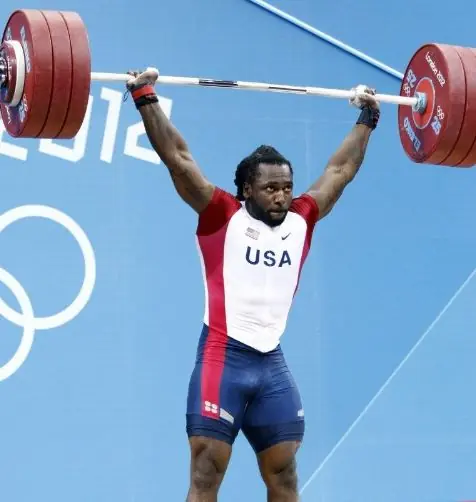
Kendrick Farris, vegan athlete at 2012 Olympic Games
The 'evidence' Gannon refers to is a study conducted by Faunalytics in 2014 among the North American population. Its results, many of which have been questioned, were summarized by some media outlets under the headline '84% of vegetarians/vegans abandon their diet'. (Another lengthy topic to discuss here, which we will address on another occasion, if you're interested)
Regarding environmental motivations for following a plant-based diet, he states that 'Our current livestock practices undoubtedly need to change, and probably the average population should consume less meat. There is no doubt about that.'
However, he believes that 'the human animal has become what it is because we were and continue to be omnivores. There is no need to abandon 2 million years of successful evolution. We just have to improve our current practices that have existed for only a few decades.'
And you? Do you share the opinions of Chus de la Torre or Robert Gannon? If you want to share your point of view, do so via email (contact@veggie-karma.com) or Instagram (@veggiekarmafood).
Posted in:
News
Related posts
-
 Fair Trade Cashews: Our Ethical Choice
At Veggie Karma, we only use ethically-sourced cashews to create our vegan cheese substitutes. If you want to know...Read more
-
What is tofu and what are its secrets?
Goal: to find out all about tofu; its nutritional value, origin, varieties, and why tofu isn’t always necessarily...Read more
-
Lactose-free cheese and other cheeses that intolerants can enjoy
Have you ever suffered from gas, stomach cramps, nausea, abdominal pain, or diarrhea after consuming dairy...Read more
-
5 vegan appetizers for christmas
Do you want to eat your VK cheese in a different way? Here are some simple, quick and delicious recipes.Read more
-
Lupins: Properties, benefits and inconvenients
Did you know that lupines contain more protein than soya? Or that they help to reduce blood sugar levels? Read on,...Read more
Leave a comment
Login to post comments